

Federal Hemp Rules Could Eliminate Sisters of the Valley’s Entire CBD Line as December 11 Deadline Approaches

An Oregon Bouquet
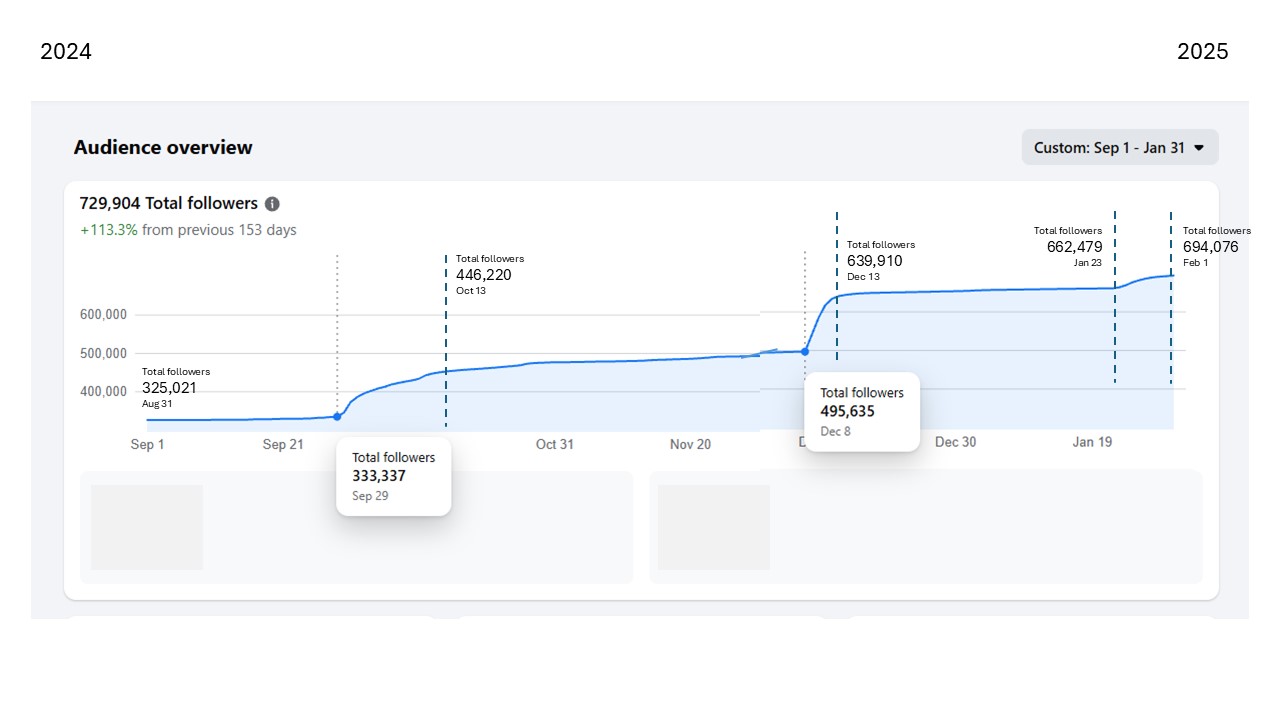
Tracking Facebook Suppression
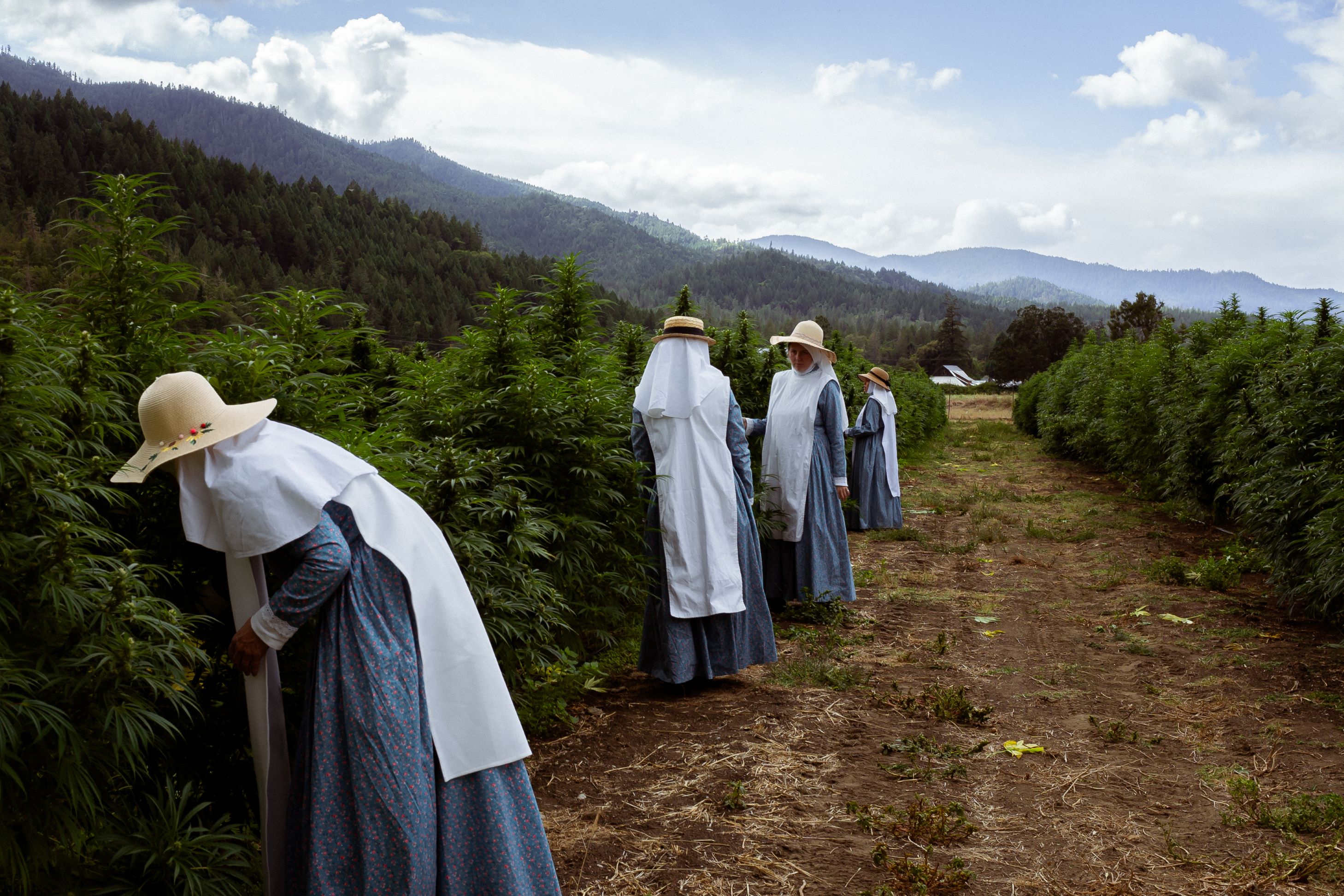
Working with the plants on the Oregon farm.
California weed nuns say new 0.4-mg THC-per-container standard threatens twelve years of plant medicine while accelerating the Sisters’ move toward licensing
The new federal definition of hemp establishes a limit of 0.4 milligrams of combined total THC and certain similar cannabinoids per container for finished hemp-derived cannabinoid products. For Sisters of the Valley, whose medicines are made with full-spectrum hemp extracts rather than CBD isolate, the practical effect is straightforward: none of the Sisters’ existing CBD formulations will meet the new federal standard.
For nearly twelve years, Sisters of the Valley has built its medicines around full-spectrum plant extracts rather than CBD isolate. Sister Kate, founder of Sisters of the Valley, describes that philosophy in a new essay as keeping the medicine as close to the plant as reasonably possible.
The Sisters already tested CBD isolate in 2015 while collaborating with a university in Italy. In their own formulation work, they found that isolate did not perform acceptably in their salve, while their experience with isolate in ingestible formulations led them to reject it there as well.
Their topical salve illustrates the dilemma. The formulation was developed over more than a decade using natural ingredients selected for absorption and combined with full-spectrum hemp extract. Removing the cannabinoids might create a compliant product, but it would no longer be the medicine their customers have relied upon.
As Sister Kate writes in the new essay: “Then we would have salve. Just salve.”
“We have customers who have been using these medicines for years,” said Sister Camilla of Sisters of the Valley. “They don’t care about the regulatory terminology. They know what works for them, and they’re asking us whether we’re still going to be able to make it.”
The federal deadline comes as Sisters of the Valley is already navigating an increasingly difficult regulatory and financial environment. Monthly sales have fallen from approximately $100,000 before the pandemic to less than 10% of that now. California regulatory changes have prevented the company from renewing state certifications it previously held, while payment and banking restrictions have continued to narrow the platforms available to hemp businesses.
Those pressures are already arriving ahead of the federal deadline. Square recently notified the Sisters that their CBD-focused online store must be closed by November 10.
“The government doesn’t control all the clocks,” Sister Kate writes. “Private platforms and financial institutions can move before Congress does. Independence isn’t philosophical anymore. It’s infrastructure.”
The December 11 date carries an unusual second significance: it is also the current federal government funding deadline, leaving Congress with the same date to address both government funding and the future treatment of hemp products.
The Sisters are not waiting for Washington.
During 2026, Sisters of the Valley has increasingly explored licensed cannabis partnerships in California and Oregon, allowing the Sisters’ name, formulations, story and plant-medicine philosophy to reach consumers through regulated dispensary channels. The shift represents a potentially significant change in how the Sisters operate: away from manufacturing and fulfillment themselves and toward licensing their intellectual property and working with established producers and distributors.
California and Oregon have become laboratories for learning what those partnerships require — including transparent inventory reporting, strong distribution, budtender education, marketing support and partners willing to protect the integrity of the Sisters’ brand. The organization is also exploring international licensing opportunities.
“Our work in the dispensary market is teaching us that the Sisters don’t necessarily have to manufacture and ship every product ourselves to fulfill the mission,” said Sister Esme. “If we can find honorable partners who understand what we stand for, licensing may allow the medicine and the mission to reach more people.”
For the Sisters, that strategy is not an abandonment of the work they began in 2015. It is an attempt to preserve it. The women stand firm in their mission to get the most amount of plant medicine to the most amount of people, in an honorable and ethical way.
The stakes extend beyond the company. Longtime customers — particularly users of the Sisters’ topical salve — may lose access to formulations they have relied upon for years. When Canadian regulatory changes cut Canadian customers off from Sisters products in 2019, the Sisters spent hours online and on the telephone helping former customers learn how to make versions of the medicine themselves. Although it wasn’t particularly good business, it was the right thing to do.
With sales already sharply reduced, the loss of the CBD line could also threaten the California farm where the Sisters have grown plants, developed medicines, trained Sisters and built the organization since its earliest years.
“People see the products, but they don’t always see everything behind them,” Sister Camilla said. “This farm is where the Sisters have lived, worked, made medicine and built this community. When we say we could lose the farm, that is a very real possibility.”
In the essay, Sister Kate puts it more starkly: “We could lose the farm. That’s not melodrama. It’s arithmetic.”
Sister Kate explores the federal changes, their impact on customers and the Sisters’ emerging licensing strategy in the newly published essay, “The Government May Shut Down Our CBD Line. The Mission Doesn’t Change.”
The essay concludes with the principle guiding the Sisters’ next move: “The mission doesn’t change. We just find another road.”
About Sisters of the Valley
Founded in California in 2015, Sisters of the Valley is a women-led spiritual collective and plant-medicine company known internationally. The Sisters make their medicines according to moon cycles, follow six vows, and have built a global following around plant-based healing, women’s empowerment and an unconventional model of sisterhood. This year, they formed a separate ministry and more information on that can be found at www.sotvministry.org
Sister Kate
Sisters of the Valley
+1 209-626-6601
email us here
Visit us on social media:
LinkedIn
Instagram
Facebook
YouTube
X
Legal Disclaimer:
EIN Presswire provides this news content "as is" without warranty of any kind. We do not accept any responsibility or liability for the accuracy, content, images, videos, licenses, completeness, legality, or reliability of the information contained in this article. If you have any complaints or copyright issues related to this article, kindly contact the author above.
