

Security Guard Services Evolve to Meet Modern Public Safety Needs

Armed guard.

Armed guards-

Security guard _service

Security Guard Services -
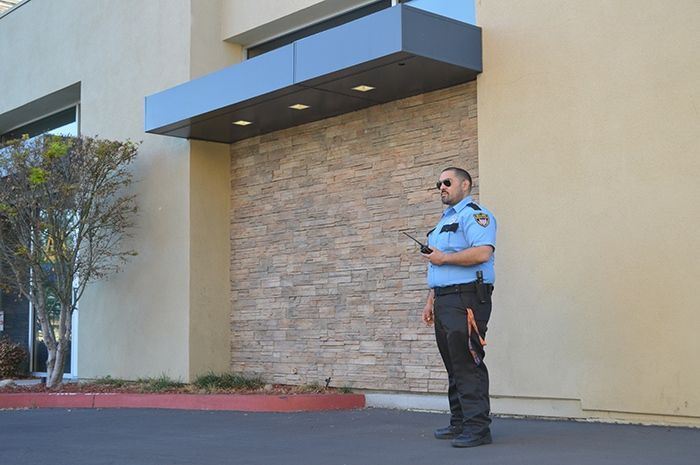
Unarmed guard-
Growing populations and urban expansion increase the need for structured, adaptable security solutions to protect people, businesses, and public spaces.
LOS ANGELES, CA, UNITED STATES, February 10, 2026 /EINPresswire.com/ -- Security challenges in large urban areas continue to evolve alongside population growth, expanding commercial development, and increased public activity. Cities with dense populations, such as Los Angeles, face multifaceted safety concerns, ranging from high pedestrian traffic to extended business hours, as well as the ongoing need to safeguard both people and property. These conditions underscore the growing importance of structured and adaptable security measures as a core component of urban management.In Los Angeles, security guard services play a central role in maintaining order and supporting public safety across a variety of environments. Their duties are wide-ranging and often include monitoring access points, conducting routine patrols, observing and reporting suspicious activity, and responding to incidents following established protocols. These responsibilities are relevant across commercial properties, residential communities, industrial sites, and public-facing venues, reflecting the diversity of settings in which security staff operate.
Security guards often work in close coordination with property managers, emergency responders, and local authorities to ensure that incidents are managed effectively and efficiently. This collaboration allows for a timely response to potential threats, helping to mitigate risks before they escalate. Beyond physical presence, security personnel also play a preventive role by enforcing site-specific policies, maintaining continuous situational awareness, and identifying potential hazards within their assigned areas.
Experts note that the increasing complexity of urban environments requires security services to be both flexible and proactive. Technological tools such as surveillance systems, access control solutions, and communication platforms are frequently integrated with traditional patrol methods, enabling guards to respond quickly and effectively. As urban centers continue to grow and evolve, the presence of trained security staff remains a key factor in addressing safety challenges, promoting a secure environment for residents, businesses, and visitors alike.
Roles and Responsibilities of Security Guards
Security personnel in Los Angeles serve a critical role in maintaining safety across commercial, industrial, and residential locations. These individuals function as both preventative and responsive measures, providing an on-site presence that can discourage unauthorized activity while supporting established operational safety protocols. Their duties are multifaceted and often include patrolling premises, monitoring entrances and exits, verifying credentials, enforcing property rules, and documenting incidents for records. The reports generated by security personnel are frequently used for internal review, insurance purposes, or coordination with external agencies such as law enforcement.
In many cases, security personnel act as the first point of contact during incidents, allowing them to assess situations and respond appropriately. When events escalate beyond routine security concerns, guards communicate directly with emergency services, including local police, fire departments, and medical responders, ensuring a coordinated approach to public safety. Despite their involvement in these critical processes, the role of security personnel emphasizes observation, deterrence, and reporting rather than enforcement or investigative actions. Their authority is limited to what is outlined within legal and contractual agreements, and they are trained to operate strictly within these boundaries.
Compliance with regulatory requirements is a central aspect of the profession. Security personnel must adhere to local, state, and federal regulations, as well as follow site-specific procedures designed to protect both property and people. Professional conduct, including discretion, accurate reporting, and respectful interaction with the public, forms the foundation of their operational responsibilities. In addition, security personnel are often involved in risk assessment and safety planning, helping to identify potential vulnerabilities before incidents occur.
By combining vigilance, regulatory compliance, and systematic reporting, security personnel in Los Angeles contribute to a broader framework of safety that extends across workplaces, residential complexes, and industrial sites. Their presence, while not primarily enforcement-focused, remains a vital component of community safety and operational integrity.
Armed vs. Unarmed Security Assignments
Security assignments may involve either armed or unarmed personnel, with the choice typically guided by risk assessments, operational requirements, and applicable regulatory standards. These assignments are structured to address the specific security needs of a location, factoring in potential threats, the nature of the facility, and the level of protection required.
Unarmed guards are generally deployed in environments where the primary objectives are monitoring, access control, and maintaining a visible presence to deter incidents. Common settings include office buildings, retail centers, residential communities, healthcare facilities, and schools. The responsibilities of unarmed personnel often include conducting regular patrols, managing visitor and staff access, performing safety inspections, and documenting unusual or suspicious activity. Emphasis in these roles is placed on prevention through observation, communication, and reporting, rather than direct confrontation. The presence of unarmed guards is intended to maintain order and support operational routines while minimizing risk to personnel and the public.
Armed guards, on the other hand, are assigned to higher-risk locations where there may be sensitive operations, high-value assets, or a documented history of security incidents. These personnel are required to complete additional licensing procedures and undergo specialized training covering firearm use, legal obligations, and scenario-based responses to potential threats. Duties for armed guards often involve assessing potential risks, monitoring high-threat activities, and responding to incidents in accordance with legal frameworks. The inclusion of armed personnel is considered when the environment presents a heightened potential for violence or requires immediate, defensive intervention capabilities.
Regardless of the assignment type, both armed and unarmed security personnel must demonstrate strong situational awareness, effective communication skills, and the capacity to remain calm under pressure. Decisions regarding the deployment of armed or unarmed guards are typically based on structured evaluations that incorporate environmental conditions, historical security data, operational priorities, client requirements, and compliance with local or national regulations.
By carefully matching personnel type to risk and operational need, security providers aim to maintain safety while minimizing unnecessary exposure to danger.
Training, Compliance, and Professional Standards
Private security personnel in California are required to meet specific licensing and regulatory standards before they can assume active duty. These standards are established by the state to ensure that security professionals are adequately prepared to handle a variety of responsibilities and maintain public safety. Training for security personnel typically includes instruction on state security laws, the limits of authorized use of force, emergency response procedures, professional ethics, and scenario-based exercises designed to simulate real-life situations.
For those assigned to armed roles, additional certification is mandatory. This includes comprehensive training in firearm safety, proper handling techniques, and understanding the legal boundaries governing the use of weapons. Security guards in these roles must demonstrate ongoing proficiency through periodic testing and requalification to maintain their authorization to carry firearms while on duty.
Background checks and screening processes are also a critical part of the regulatory framework. These procedures verify an individual’s identity, review their employment history, and examine criminal records to confirm suitability for the role. By doing so, the system seeks to prevent unqualified or potentially high-risk individuals from entering the profession.
Professional standards for California security personnel emphasize the importance of accurate documentation, adherence to detailed post orders, and consistent communication with supervisors and clients. Daily activity reports, incident logs, and other records are maintained to support accountability and operational transparency. These practices are intended not only to monitor compliance with regulations but also to provide a clear record of actions taken during shifts, which can be critical in legal or investigative contexts.
Overall, the licensing, training, and operational requirements for security personnel in California reflect a comprehensive approach to public safety. By enforcing strict guidelines and ongoing proficiency standards, the state aims to ensure that private security staff operate effectively, responsibly, and within the bounds of the law.
Customized Security Planning and Oversight
Security strategies are typically tailored to the specific needs of individual sites, reflecting a detailed understanding of each location's unique environment. Assessments often take into account the physical layout of the premises, traffic flow patterns, operational hours, and the types of activities conducted on-site. This comprehensive approach ensures that security plans are aligned with the operational realities and potential risks of each location.
Once these assessments are completed, formal security plans are developed. These plans outline patrol schedules, reporting protocols, escalation procedures, and the roles and responsibilities of security personnel. By establishing clear expectations, sites aim to maintain a consistent and organized approach to security operations. Plans are not static; they are reviewed periodically and updated to account for changes in operations, modifications to the site layout, or emerging security threats. This ongoing review process helps maintain the effectiveness and relevance of security measures over time.
Oversight measures play a critical role in ensuring that security protocols are followed. These measures can include routine site inspections, regular check-ins by supervisors, and formal performance reviews of security staff. The goal of these oversight activities is to monitor compliance with established procedures while identifying potential gaps or areas for improvement.
Documentation collected from daily operations, such as incident reports and patrol logs, is analyzed to detect patterns or trends that may indicate vulnerabilities. This analytical approach supports continuous improvement, allowing sites to adjust security strategies proactively rather than reactively. By combining detailed planning with systematic oversight, sites aim to maintain operational continuity while remaining adaptable to evolving security concerns.
In essence, security strategies integrate planning, supervision, and analytical review to provide a structured framework that addresses both current needs and potential future risks. This layered approach is designed to balance preventive measures with responsive capabilities, ensuring that security operations remain effective in a variety of scenarios.
Regional Coverage in Southern California
Security guard services in Southern California cover a broad and diverse area, operating across Los Angeles, Orange, Riverside, Ventura, and San Bernardino counties. Each county presents distinct logistical, demographic, and regulatory factors that influence how security operations are planned and executed. Urban centers like Los Angeles require approaches tailored to high-density populations and complex infrastructure, while suburban and rural areas in Riverside and San Bernardino counties pose different challenges, including longer response times and varied terrain.
Coordinating operations across these counties demands standardized training, operational procedures, and communication protocols. Consistency in training ensures that personnel respond effectively to incidents, understand regulatory requirements, and apply safety protocols uniformly across regions. Similarly, streamlined communication channels allow for timely information sharing and coordinated responses, which are critical in emergencies or high-risk situations.
Personnel diversity is increasingly recognized as an essential component of effective security operations. Multilingual capabilities enable security staff to communicate with a wide range of residents and visitors, which is particularly important in Southern California’s multicultural communities. Beyond language, cultural awareness helps personnel de-escalate conflicts, manage sensitive situations respectfully, and maintain compliance with both company and local regulations.
Additionally, security operations must adapt to evolving community needs and environmental conditions. This includes understanding local laws, safety ordinances, and emerging risks unique to each county. Regular assessments of procedures, training updates, and engagement with local authorities contribute to maintaining a responsive and effective security presence.
Overall, security guard services in Southern California rely on a combination of standardized protocols, personnel diversity, and adaptability to ensure safety across varied environments. By addressing both operational and cultural considerations, these services aim to provide consistent oversight and reliable incident response throughout Los Angeles, Orange, Riverside, Ventura, and San Bernardino counties.
About Allied Nationwide Security
Allied Nationwide Security is a private security guard company based in Southern California, with a presence in the industry dating back to 2003. The company provides both armed and unarmed security guard officers, serving a diverse range of clients, including commercial, industrial, and residential properties. Over the years, Allied Nationwide Security has built its operations around structured training programs, comprehensive background verification processes, and strict compliance with applicable local, state, and federal regulations.
The company’s approach to security emphasizes planning and risk assessment. Security strategies are developed in collaboration with clients, taking into account site-specific requirements and operational priorities. These strategies are regularly reviewed and updated through ongoing evaluations to ensure that they remain consistent with established standards and evolving security needs.
Allied Nationwide Security maintains operations across several counties in Southern California, including Los Angeles County, Orange County, Riverside County, Ventura County, and San Bernardino County. This broad regional coverage allows the company to deploy trained personnel quickly to meet client requirements while maintaining oversight of multiple facilities.
The organization places particular focus on personnel readiness and regulatory compliance. All security officers undergo training designed to address a range of security scenarios, from routine monitoring to emergency response. In addition to professional instruction, employees are subject to thorough background checks to ensure the integrity and reliability of personnel on duty.
By structuring operations around these practices, Allied Nationwide Security provides a framework for standardized security services across varied client sites. The emphasis on site-specific planning, combined with routine evaluations and adherence to regulations, reflects a broader industry trend toward formalized security management. As private security continues to expand in Southern California, companies like Allied Nationwide Security illustrate the sector’s focus on structured protocols, trained personnel, and compliance-driven operations across diverse communities.
A J Nomair
Allied Nationwide Security
+1 800-955-8417
contact@alliednationwide.com
Visit us on social media:
Facebook
YouTube
Best Security Guard Company In Southern California | Allied Nationwide
Legal Disclaimer:
EIN Presswire provides this news content "as is" without warranty of any kind. We do not accept any responsibility or liability for the accuracy, content, images, videos, licenses, completeness, legality, or reliability of the information contained in this article. If you have any complaints or copyright issues related to this article, kindly contact the author above.
